Case no.KG-021
What Is the Triple Crown in Horse Racing?
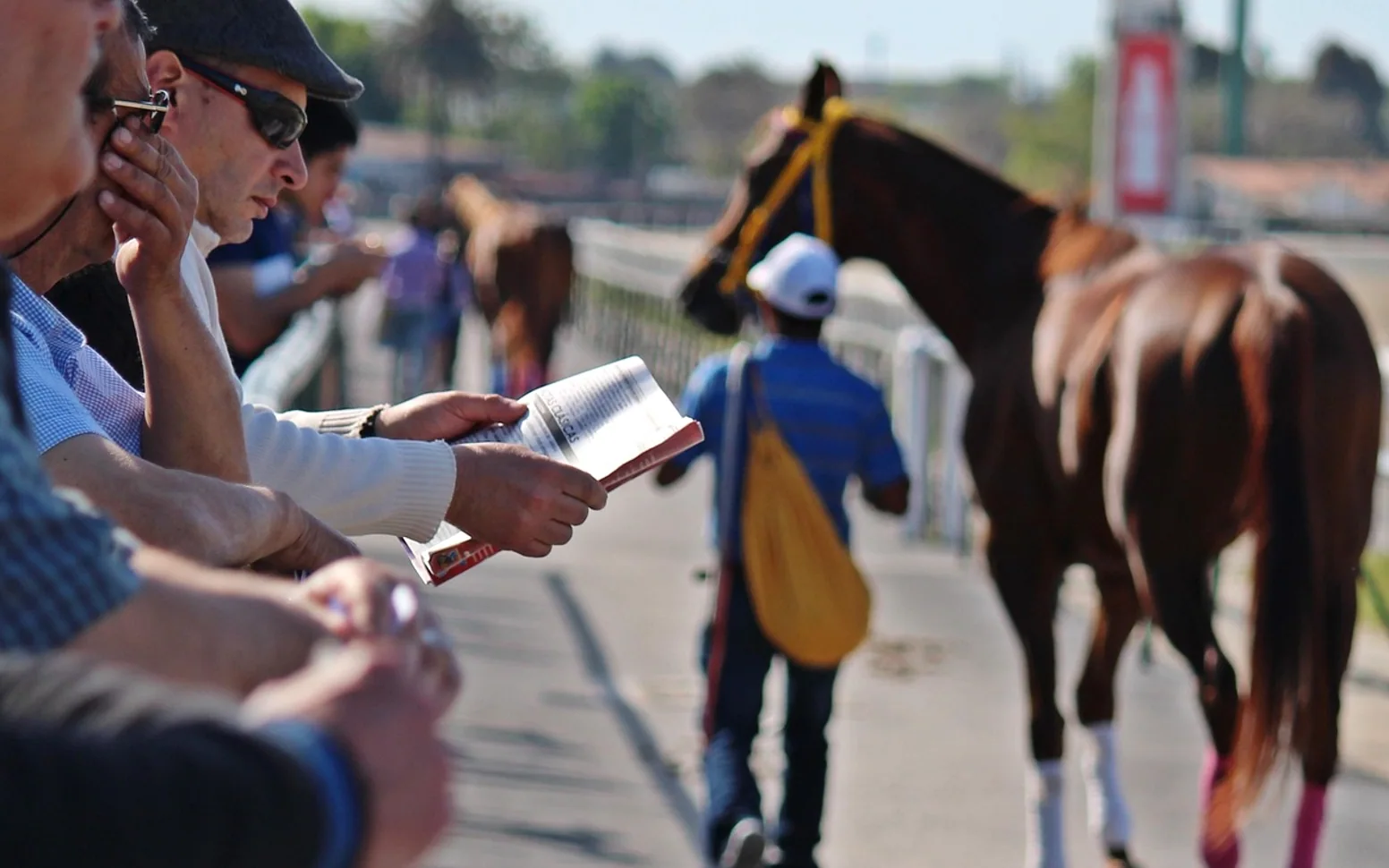
The Triple Crown is the name for three American races run each spring for three-year-old Thoroughbreds: the Kentucky Derby, the Preakness Stakes and the Belmont Stakes. A horse that wins all three in the same year wins the Triple Crown. There is no separate race to enter; the title is earned only by sweeping the series.
Because a horse is three only once, every animal gets exactly one chance. That, plus the tight schedule and rising distances, explains why the feat is so rare. This guide is for adults aged 18 and over.
The three races
| Race | Traditional home | Traditional distance | Usual timing |
|---|---|---|---|
| Kentucky Derby | Churchill Downs, Louisville | 1¼ miles | First Saturday in May |
| Preakness Stakes | Pimlico, Baltimore | 13⁄16 miles | Two weeks after the Derby |
| Belmont Stakes | Belmont Park, New York | 1½ miles | About three weeks after the Preakness |
Venues and distances have shifted in some years while tracks were rebuilt, so check the current race details before relying on the table. The pattern, three races in roughly five weeks with the longest one last, has stayed the same.
Who can run
- Age: three-year-old Thoroughbreds only.
- Sex: colts, geldings and fillies may all enter. Fillies run less often, and only a handful have won the Derby.
- Getting in: the Derby field is capped at 20 starters. Places go mainly to horses that collect points in a series of earlier prep races, so a horse has to perform through the winter and early spring just to get to the gate.
New terms on this page, such as colt, gelding or stakes race, are defined in our horse racing glossary.
Why sweeping all three is so hard
- Little recovery time. Two and then three weeks between races is short for a young horse running at full effort.
- Different shapes of race. The Derby is a crowded scramble; the Belmont is a long test of stamina. A horse built for one may not suit the other.
- Fresh opponents. Many rivals skip a leg and arrive rested for the next one, while the horse chasing the sweep must run all three.
- One chance per horse. There is no next year for the same animal.
A short history
Sir Barton was the first horse to win all three races, in 1919, though the phrase "Triple Crown" only caught on years later. Secretariat's sweep in 1973 is still the one most people can name. After Affirmed won in 1978, the sport waited 37 years before American Pharoah completed the set in 2015. Justify followed in 2018.
Long gaps between winners are part of the appeal. Each spring, if a horse takes the first two legs, attention swings to the Belmont and whether the drought will end.
Other Triple Crowns
The idea exists outside the US. Britain's version links the 2,000 Guineas, the Derby and the St Leger, run over very different distances between spring and early autumn, and it has gone unclaimed for decades. There are also Triple Crowns for fillies and for harness racing. When people say "the Triple Crown" without context, they nearly always mean the American series.
The people behind the run
A Triple Crown bid puts a spotlight on the rider as well as the horse. Keeping a horse balanced through a 20-runner Derby is a different task from rationing its energy over a mile and a half. Our piece on what a jockey does explains the job in more detail.
Betting on the Triple Crown races
- Big fields, wide prices. The Derby's large field spreads the money and often produces generous odds on horses outside the top few.
- Futures markets. Some operators take bets on the Derby months ahead. Prices can be bigger, but a horse may never make the field, and rules on refunds vary.
- Crowded favourites. When a horse goes to the Belmont chasing the sweep, sentiment can push its price shorter than its form alone would justify.
- Exotic pools. Large pari-mutuel pools on these days make exactas and trifectas popular, though the chance of hitting them is no better than on any other day.
Quick questions
Can an older horse win the Triple Crown?
No. All three races are restricted to three-year-olds.
Is there prize money for winning all three?
Each race has its own purse. Any bonus tied to the sweep depends on the arrangements in place that year.
Which leg is the hardest?
Opinions differ, but the Belmont's traditional mile and a half is a distance most young American horses never race again.
The races are worth watching with or without a wager. If you do bet, keep it to money set aside for fun and capped in advance with a deposit limit, remember that betting is for adults only, and confirm the rules where you live, which differ between states and countries.
Something to add?
A short note is enough.
Pre-flight
Before any deposit, tick these off
Thirty seconds. Every time.
- I know the exact amount I can afford to lose today
- A deposit limit is switched on for this account
- I have checked the licence with the named regulator
- I have read the bonus terms, or I am playing without one
- My phone alarm is set for the time I stop