Case no.KG-030
What Is a Post Position in Horse Racing? Gates, Draws and Track Bias
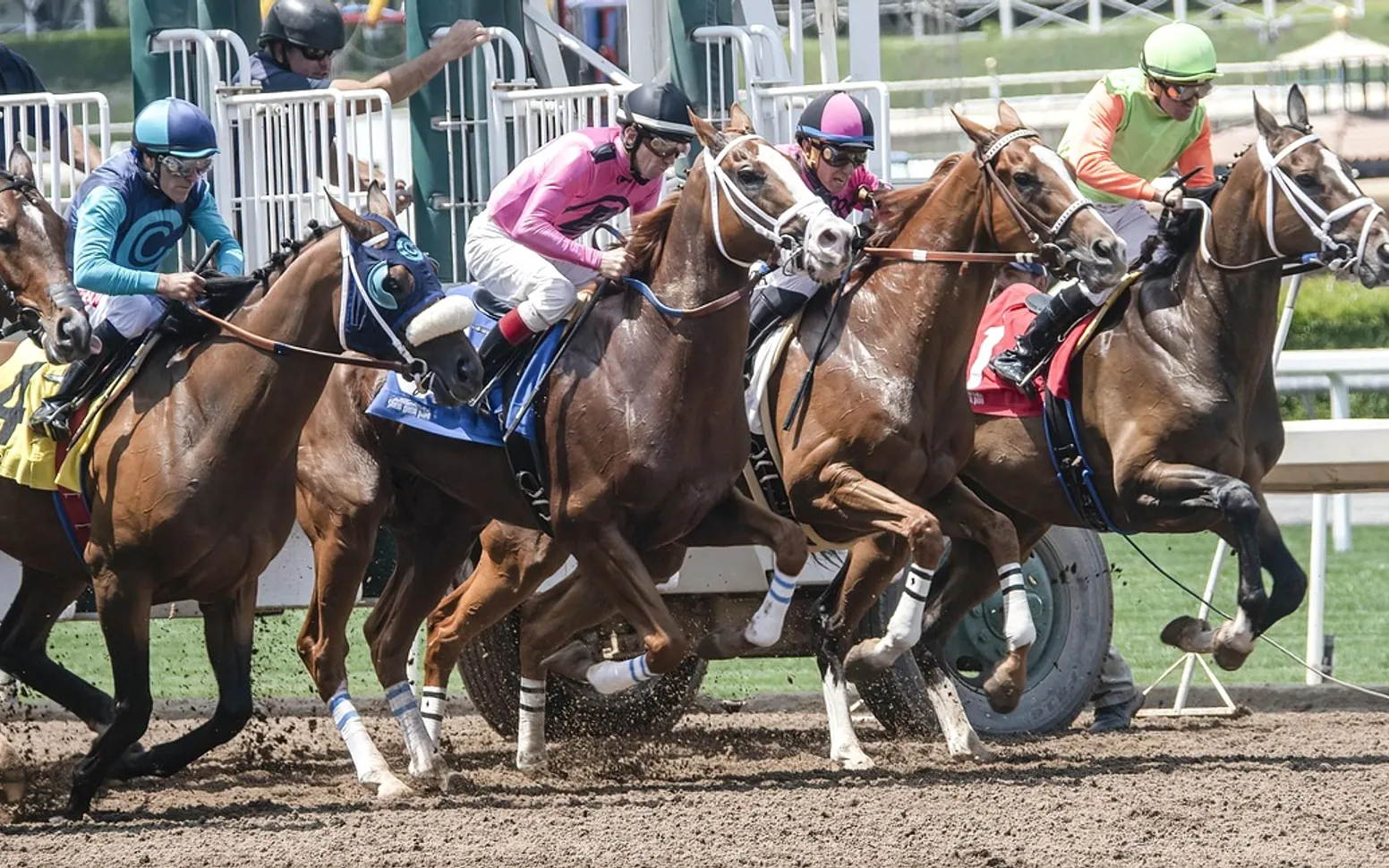
A post position is the stall a horse starts from in the starting gate. In North American racing the stalls are numbered from the inside rail outward, so post 1 is closest to the rail and the highest number is furthest from it. Post positions are drawn at random, usually when entries close a few days before the race, and they are printed in the program next to each runner.
The number itself means nothing about a horse's ability. What it changes is the shape of the race the horse is likely to get: how much ground it covers, how easily it finds a position, and whether it gets trapped. This page is for adult readers who want to understand that part of a racecard.
How the draw works
For an everyday race, the racing office draws post positions once the field is set. For major races such as the Kentucky Derby the draw is a public event, and owners and trainers watch closely because a field of up to twenty makes the gap between inside and outside wider than usual. Very large fields can need an auxiliary gate placed beside the main one.
Post position and program number are often the same, but not always. Two horses running as a coupled entry share a betting number such as 1 and 1A while starting from different stalls, and scratches can leave gaps in the line. The racing program shows both numbers when they differ.
Britain and Ireland call it the draw and number the starting stalls in their own way, so whether a "low draw" sits next to the rail depends on the course. Check each course's layout before assuming low means inside.
Inside, middle and outside
| Post | Possible advantage | Possible problem |
|---|---|---|
| Inside (rail) | Shortest way round; can save ground on every turn | Can get boxed in behind tiring horses with nowhere to go |
| Middle | Options in both directions; often seen as the comfortable draw | Can be squeezed from both sides at the break |
| Outside | Clear view, room to choose a path, less traffic | Covers extra ground if it stays wide round the turns |
Which of these matters most depends on the horse. A front-runner drawn wide must either use energy to cross over towards the rail or accept a wider trip. A horse that likes to settle at the back and finish late may not mind an outside post at all, since it will drop in behind the field anyway. Getting the horse into a good position from its draw is a large part of a jockey's job in the first few strides.
When post position matters most
- A short run to the first turn. If the turn comes soon after the start, wide horses have little time to find a spot before they are carried round the outside.
- Big fields. More runners mean more ground between the inside and outside stalls.
- Sprints on tight tracks. There is less time to recover from a poor position.
- Harness racing. Trotters and pacers start behind a moving gate, and the inside posts are often favoured on smaller ovals.
It tends to matter less over longer distances with a long straight before the first turn, where the field has time to sort itself out.
Track bias
Track bias is the idea that, on a given day or at a given track, the surface is helping one part of the course or one running style. On some days horses near the rail seem to run well; on others the outside lanes look quicker, perhaps because the inside is deeper after rain or maintenance. Changes in track conditions are a common cause.
Bias is easy to see after the fact and hard to prove beforehand. A handful of races is a small sample, and a few strong horses who happened to race on the rail can look like a pattern. Treat it as one note among many, which is how it sits in horse racing handicapping generally.
A good or bad draw changes a horse's trip, not its chances of making you money. If you bet on racing, do it as an adult, only where it is lawful, and with an amount you settled on before the first race and can lose without it hurting.
Something to add?
A short note is enough.
Pre-flight
Before any deposit, tick these off
Thirty seconds. Every time.
- I know the exact amount I can afford to lose today
- A deposit limit is switched on for this account
- I have checked the licence with the named regulator
- I have read the bonus terms, or I am playing without one
- My phone alarm is set for the time I stop