Case no.KG-029
Horse Racing Track Conditions: Fast, Sloppy, Firm and Yielding Explained
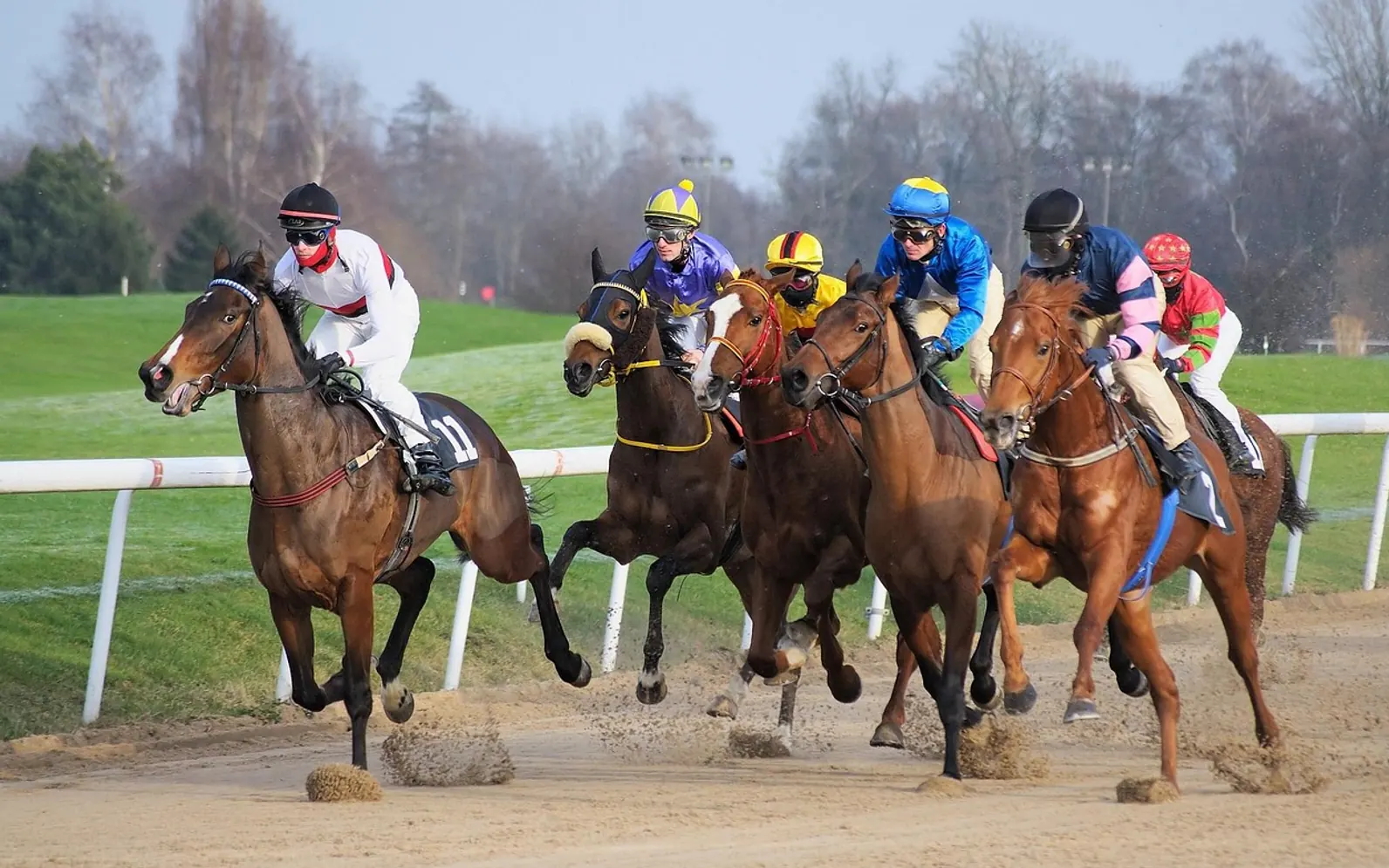
The program was printed on Tuesday. On Saturday it rains through the morning, and by the time the horses walk onto the track the board no longer says "fast" but "sloppy". Half the notes made about the card are suddenly out of date. Track conditions are that kind of detail: one word on the screen, and it can change which horses look suited to a race.
This guide explains what each label means, how the surface is judged, and why it matters when reading a race. It is written for adults aged 18 and over who follow racing.
What "track condition" describes
Track condition is the official description of how the racing surface is playing on the day: how much moisture it holds, how firm or loose it is underfoot, and therefore how quickly horses can run on it. The track announces it before racing and updates it if the weather changes. In Britain and Ireland the same idea goes by the name the going.
The words differ by surface, because dirt and grass react to water in opposite ways. A soaked dirt track can still produce quick times when the water sits on a sealed base, while soaked grass gets deep and tiring.
Dirt track labels
North American dirt racing uses a short scale. From driest to wettest, the common terms are:
- Fast – dry, even and at its best. The default condition and the one most past times are run on.
- Good – slightly damp, either drying out after rain or just starting to take some moisture.
- Wet fast – water on the surface, but the base underneath is still firm, so horses can run quickly.
- Muddy – the surface is soaked through and soft, with no standing water. Usually the slowest and most tiring dirt condition.
- Sloppy – standing water or puddles on top of a firmer base. It looks dramatic, kicks up spray and can still play quick for horses that handle it.
- Frozen – rare, used when the surface has hardened in the cold.
Some programs add "sealed" in brackets, as in "sloppy (sealed)". Sealing means the track crew has rolled and packed the top layer so rain runs off rather than soaking in, which changes how the surface plays once racing starts.
Turf and the going
Grass is described on a firm-to-soft scale. American cards usually use firm, good, yielding and soft. British and Irish courses use a longer ladder:
| Going (Britain / Ireland) | What it feels like underfoot | Rough US turf equivalent |
|---|---|---|
| Hard / Firm | Dry, fast, little give | Firm |
| Good to firm | Mostly fast with a touch of cushion | Firm |
| Good | Even, some give | Good |
| Good to soft / Yielding | Damp, heels sink a little | Yielding |
| Soft | Wet, slower, more effort per stride | Soft |
| Heavy | Waterlogged, very testing | Soft (heavy is rarely used) |
Courses in Britain often publish readings from a going stick, a device that measures how much the ground resists being pushed into, alongside the official description. The words still come from the clerk of the course walking the track, so the two do not always line up neatly.
Synthetic and all-weather tracks have their own short scale in some countries, typically standard, with "slow" or "fast" variations. These surfaces are built to drain and stay consistent, which is much of the reason they exist.
Who decides, and when it changes
The racing office or clerk of the course sets the official condition, normally after walking the track and checking it in several places. It is not fixed for the day. A morning shower, a drying wind or heavy traffic over the surface can all move it up or down a step between the first race and the last.
When turf becomes too wet to race on safely, American tracks may move a scheduled grass race to the dirt. This is called coming off the turf. The distance may change, many entrants are withdrawn because they were only there for the grass, and the race that remains can look very different from the one in the program.
Why conditions matter when reading a race
Some horses handle every surface the same. Many do not. A few practical effects show up again and again:
- Times are not comparable across conditions. A quick time on a sloppy track and the same time on a fast one are different performances. That is one reason speed figures adjust for the surface on the day.
- Some horses prefer the wet. Racing calls them mudders or soft-ground specialists. Breeding is sometimes used as a clue, but a horse's own record on similar ground is the stronger evidence.
- Scratches follow the weather. Trainers often withdraw horses that are not suited to the changed ground, so field sizes and prices shift late.
- Running style can matter more. On some wet dirt tracks, horses on or near the lead get a cleaner trip because they avoid the spray thrown back by those in front.
- Stamina gets tested. Soft and heavy turf make every furlong harder, so a horse that only just lasts a distance on good ground may not last it on soft.
Past-performance lines show the condition for each previous run as a short abbreviation, and the guide to reading a racing program lists the common ones. Weighing those lines against today's surface is a standard step in handicapping a race, and it pairs naturally with checking a horse's record at the trip, which the piece on furlongs and race distances covers.
Checking conditions on race day
Treat the condition as live information. The track's own updates, the stewards' or racing office announcements and the scratch list are the places to look in the hour before a race. The habit is the same one football bettors rely on when they wait for confirmed line-ups and watch a match unfold, as in this look at using live scores for in-play football bets: decisions made on stale information tend to age badly.
Watching the first race or two on a changed surface also tells you something. If winners keep coming from the front, or from one part of the track, the surface may be favouring a particular style that day. That kind of pattern is worth noting, though a couple of races are a small sample and it can reverse as the ground dries.
Common misreadings
- Thinking "sloppy" always means slow. It often plays faster than muddy, because the water sits on a firm base.
- Trusting the morning description at night. Conditions drift. Check again before the race you care about.
- Treating one wet win as proof. A single good run in the mud may owe as much to a weak field as to the ground.
- Mixing up scales. "Good" on dirt and "good" on turf are not the same thing.
Knowing the ground makes a race easier to follow; it does not make a bet a safe one. Any money staked on racing should be an amount you have already accepted losing, set in advance with a deposit limit, and only where betting on racing is legal for adults in your area.
Something to add?
A short note is enough.
Pre-flight
Before any deposit, tick these off
Thirty seconds. Every time.
- I know the exact amount I can afford to lose today
- A deposit limit is switched on for this account
- I have checked the licence with the named regulator
- I have read the bonus terms, or I am playing without one
- My phone alarm is set for the time I stop