Case no.KG-018
What Is a Furlong? Horse Racing Distances Explained
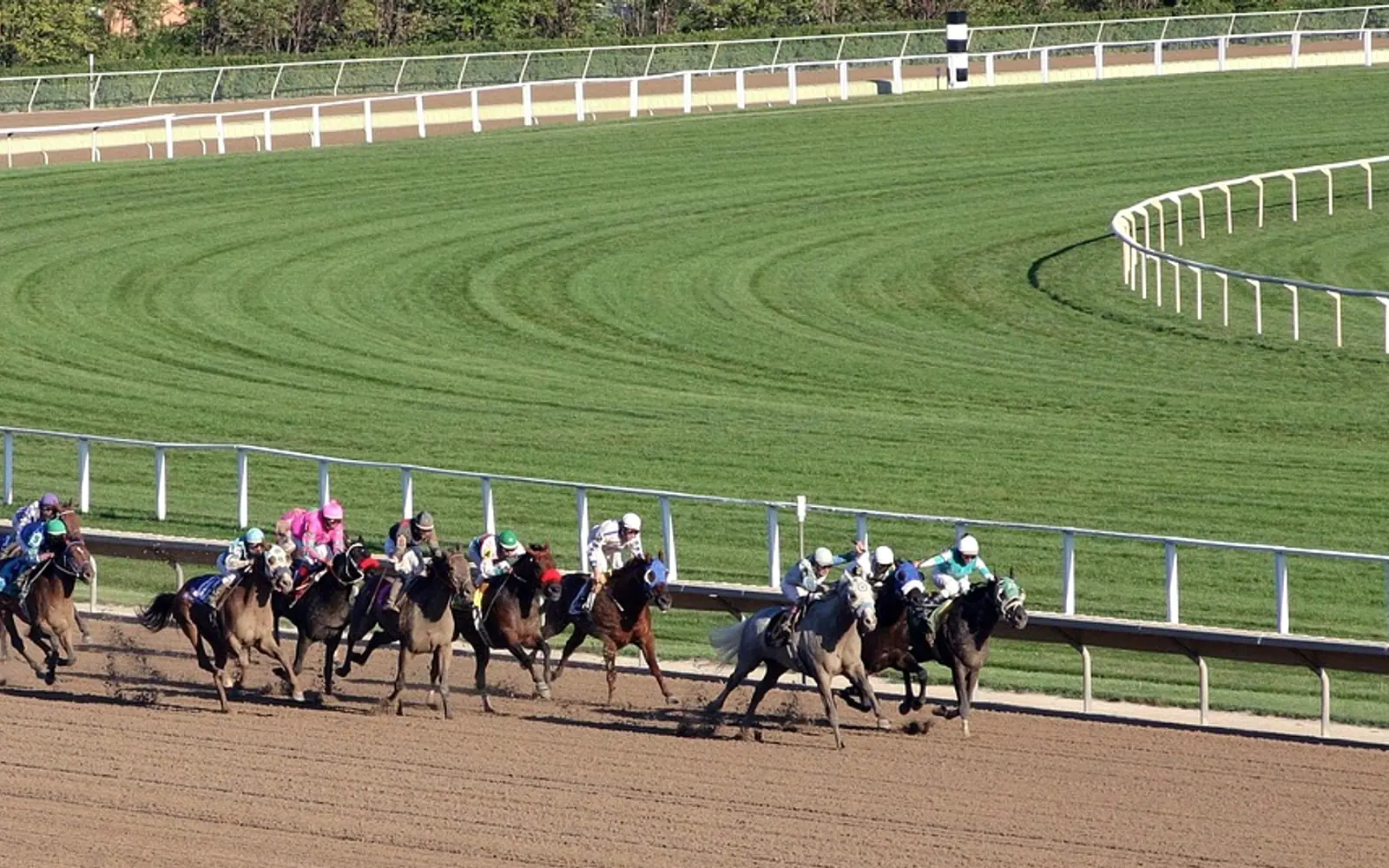
A furlong is a unit of distance equal to one eighth of a mile: 220 yards, 660 feet or roughly 201 metres. Eight furlongs make a mile. Horse racing in the US, Britain, Ireland and several other countries still uses it to describe race distances, so a "six-furlong sprint" is a race of three quarters of a mile.
The unit is old, but it has survived because it suits racing well. Most races fall between five and sixteen furlongs, and whole numbers of furlongs are easier to say than fractions of a mile. This page is aimed at adults who want to follow racing with fewer unknowns.
Where the word comes from
"Furlong" comes from Old English words for "furrow" and "long". It was the length of a furrow in a ploughed field, the distance a team of oxen could pull a plough before needing a rest. The acre was defined from it too: traditionally a strip one furlong long and one chain (22 yards) wide.
Most of daily life moved on to miles and kilometres. Racing kept the old unit, partly through habit and partly because the sport grew up in the same farming country where it was used.
Converting race distances
| Furlongs | Miles | Approx. metres | Usually described as |
|---|---|---|---|
| 5 | ⅝ | 1,006 | Sprint |
| 6 | ¾ | 1,207 | Sprint |
| 7 | ⅞ | 1,408 | Sprint / middle ground |
| 8 | 1 | 1,609 | A mile |
| 8.5 | 11⁄16 | 1,710 | Route |
| 9 | 1⅛ | 1,810 | Route |
| 10 | 1¼ | 2,012 | Classic distance |
| 12 | 1½ | 2,414 | Middle distance / long route |
The quick sum: furlongs × 201 gives metres, and furlongs ÷ 8 gives miles.
How distances are written
- US programs list sprints in furlongs ("6 F") and longer races in miles and fractions ("1 1/16 M").
- British and Irish cards combine both: "1m 2f" means one mile and two furlongs, or ten furlongs. Odd yards are sometimes added, as in "1m 2f 56y".
- Quarter Horse races are short enough that they are given in yards instead.
Furlongs on the track
Racetracks place markers called poles at set points around the course so riders and race callers can judge position. In American racing, poles are named for the distance left to the finish, so "the quarter pole" means two furlongs to go and "the eighth pole" one furlong to go. Sectional times in many programs are given at these points, which is why fractional times often appear at the quarter, the half and the three-quarter mile.
The horse racing glossary covers related terms such as stretch, post and route.
Why distance matters to a horse
Horses have trips that suit them. Some carry raw speed for five or six furlongs and fade beyond that. Others need ten furlongs or more to show their best. Breeding, body shape and running style all play a part.
- Sprinters tend to break fast and hold position. A slow start can end their chances.
- Milers blend speed with enough stamina to keep going through a longer stretch run.
- Stayers may look outpaced early and finish strongly once others tire.
That is why a horse's record at today's distance is one of the first things to check in its past performances, and why stepping up or down in trip is a common angle in handicapping. A ten-furlong race such as the Kentucky Derby, for example, is the first time many young horses have tried that distance.
Common mix-ups
- Assuming a mile is "long". In American dirt racing, a mile and a quarter counts as a classic test; jump races in Britain and Ireland run over two miles and well beyond.
- Mixing up "1 1/16" and "1 1/8". Half a furlong is a real difference at the end of a race.
- Treating the posted distance as exact. Temporary rail settings on turf courses, and the short run-up before timing begins on many American tracks, mean the ground actually covered can differ slightly from the official figure.
- Ignoring the surface. Six furlongs on turf and six on dirt can suit quite different horses.
Quick questions
How many furlongs are in a mile?
Eight.
How long does a horse take to run a furlong?
Good Thoroughbreds cover a furlong in around twelve seconds at racing pace, though the figure changes with surface, conditions and the stage of the race.
Why not just use metres?
Some racing countries do. Where furlongs survive, it is mainly tradition.
Understanding race distances helps you follow a card; it does not make betting on it pay. Keep any wager to a small adult entertainment budget, capped ahead of time with a deposit limit, and check that racing bets are legal where you live.
Something to add?
A short note is enough.
Pre-flight
Before any deposit, tick these off
Thirty seconds. Every time.
- I know the exact amount I can afford to lose today
- A deposit limit is switched on for this account
- I have checked the licence with the named regulator
- I have read the bonus terms, or I am playing without one
- My phone alarm is set for the time I stop