Case no.KG-020
What Is Handicapping in Horse Racing?
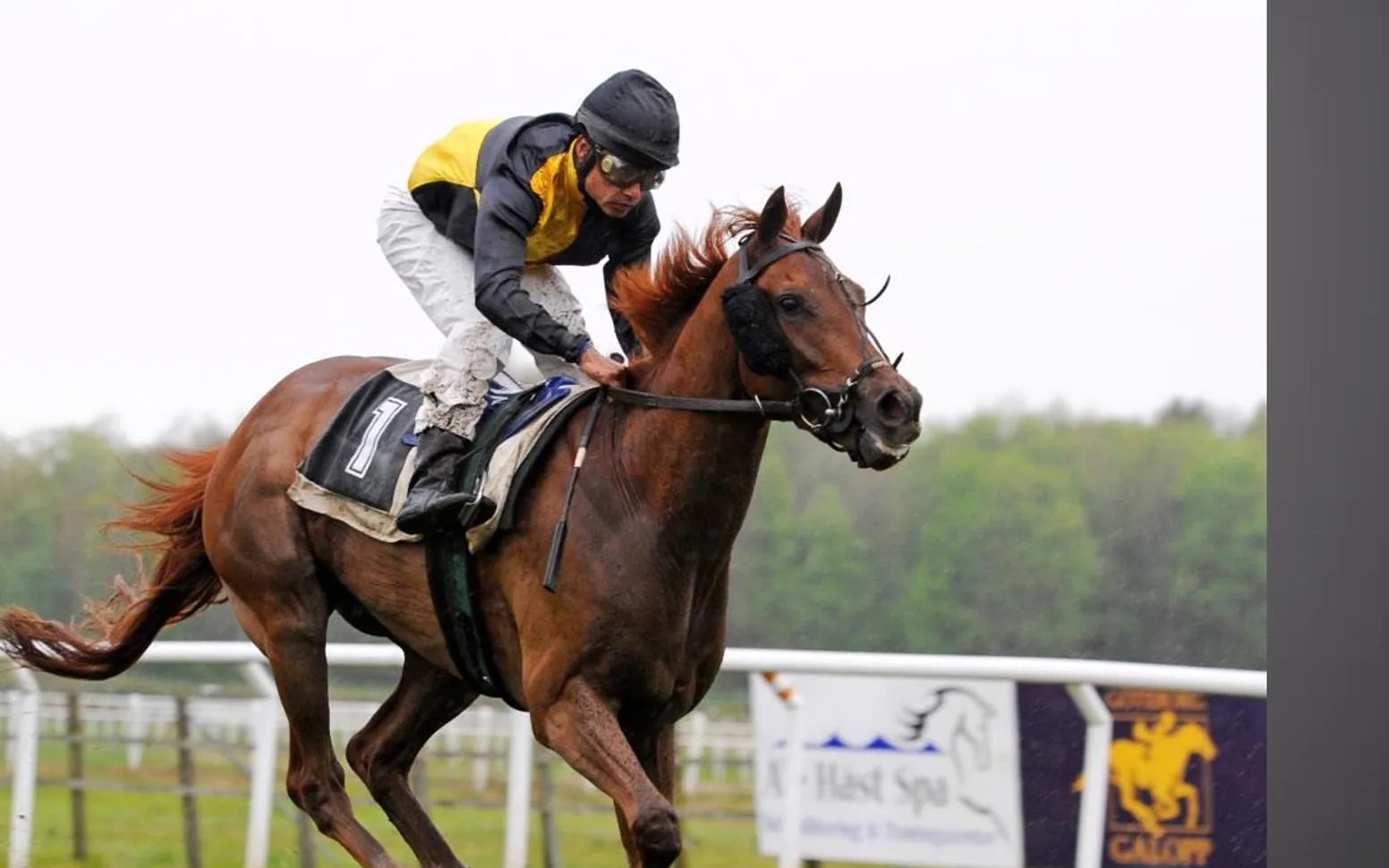
In horse racing, handicapping has two meanings. For bettors, it is the process of studying past races, conditions and odds to judge which horses have a better chance than their price suggests. For racing officials, it means assigning extra weight to stronger horses so that a race is more even. Both use the same word, and both try to measure one thing: how good a horse really is today.
This article covers the bettor's version first, because that is what most searches are about, then the official kind. It is written for adults aged 18 and over.
Handicapping as a bettor
A bettor who handicaps a race is trying to put a fair price on each runner and then compare it with the price on offer. The aim is not to find the winner every time. It is to spot when the crowd seems to have rated a horse too low or too high.
That second step matters. A horse can be the most likely winner and still be a poor bet if its odds are too short. The reverse is also true. If odds are new to you, read how horse racing odds work first.
What handicappers look at
| Factor | What it tells you | Common trap |
|---|---|---|
| Speed figures | How fast a horse ran, adjusted for track and distance | Trusting one big number from a single race |
| Class | The level of races it has run in and won | Ignoring a drop or rise in class |
| Recent form | Whether it is improving, steady or tailing off | Overreacting to one bad run with a clear excuse |
| Distance and surface | Whether today suits it | Assuming a sprinter will last a longer trip |
| Track condition | How it handles wet or firm ground | Forgetting that conditions can change during the day |
| Pace | Who will lead, who will chase, who will close late | Ignoring how the race is likely to unfold |
| Post position | Where it starts in the gate | Treating it as decisive on every track |
| Trainer and jockey | Their recent record and patterns | Paying for a big name that the crowd has already backed |
| Workouts and equipment | Recent training times; changes such as first-time blinkers | Reading too much into a single fast workout |
All of this sits in the past-performance lines of a race program. Our guide on how to read a horse racing program walks through where each item appears.
A simple handicapping routine
- Pick a race type you understand. Many people stick to one track or one kind of race, such as dirt sprints, so they learn the patterns.
- Cross out the clear non-contenders. Horses well outclassed, badly out of form or unsuited to the trip.
- Sketch the pace. Decide who is likely to lead and whether the race favours early speed or late runners.
- Rank the remaining horses. Give each one a rough percentage chance. The figures should add up to about 100%.
- Turn those chances into your own odds. A 25% chance is roughly 3-1; a 20% chance is roughly 4-1.
- Compare with the board. Only bet when the price is clearly bigger than your own line. Otherwise pass.
- Record the result. Write down what you thought and what happened, so you can test your judgement over months, not days.
The habit of keeping notes and comparing prices is the same one covered in our piece on soccer league betting. It transfers well between sports.
Handicapping as an official job
In a handicap race, an official gives each horse a weight to carry. The best-rated horse carries the most and the lowest-rated the least. In theory, a perfect handicap would see every horse cross the line together.
- In North America, the racing secretary at the track assigns weights for handicap races.
- In Britain and Ireland, horses carry official ratings, and the weights in handicaps follow from those ratings.
- Weight includes the jockey and saddle. Lighter riders carry lead in a saddle pad to make up the difference.
For bettors, the useful question is whether a horse is "well handicapped": rated lower than its true ability, so it carries a kind weight.
What handicapping cannot do
Every pool or bookmaker price has a cut built in. To finish ahead over time, a bettor has to be better than the crowd by more than that cut, race after race. Most people are not, and no method changes that. Handicapping makes racing more interesting to watch; it does not turn it into a salary.
Quick questions
Is handicapping the same as picking favourites?
No. It is about whether the price is fair, not about who is most likely to win.
How long does it take to handicap a race?
Anywhere from a few minutes to much longer. Fewer races studied properly usually beats many races skimmed.
Do I need paid data?
Not to start. A program with past-performance lines contains most of what a newcomer can use.
Study all you like, but treat the stake as the cost of a day's entertainment, keep wagering to adults, and make sure racing bets are lawful where you live before putting money down.
Something to add?
A short note is enough.
Pre-flight
Before any deposit, tick these off
Thirty seconds. Every time.
- I know the exact amount I can afford to lose today
- A deposit limit is switched on for this account
- I have checked the licence with the named regulator
- I have read the bonus terms, or I am playing without one
- My phone alarm is set for the time I stop