Case no.KG-015
How Do Horse Racing Odds Work?
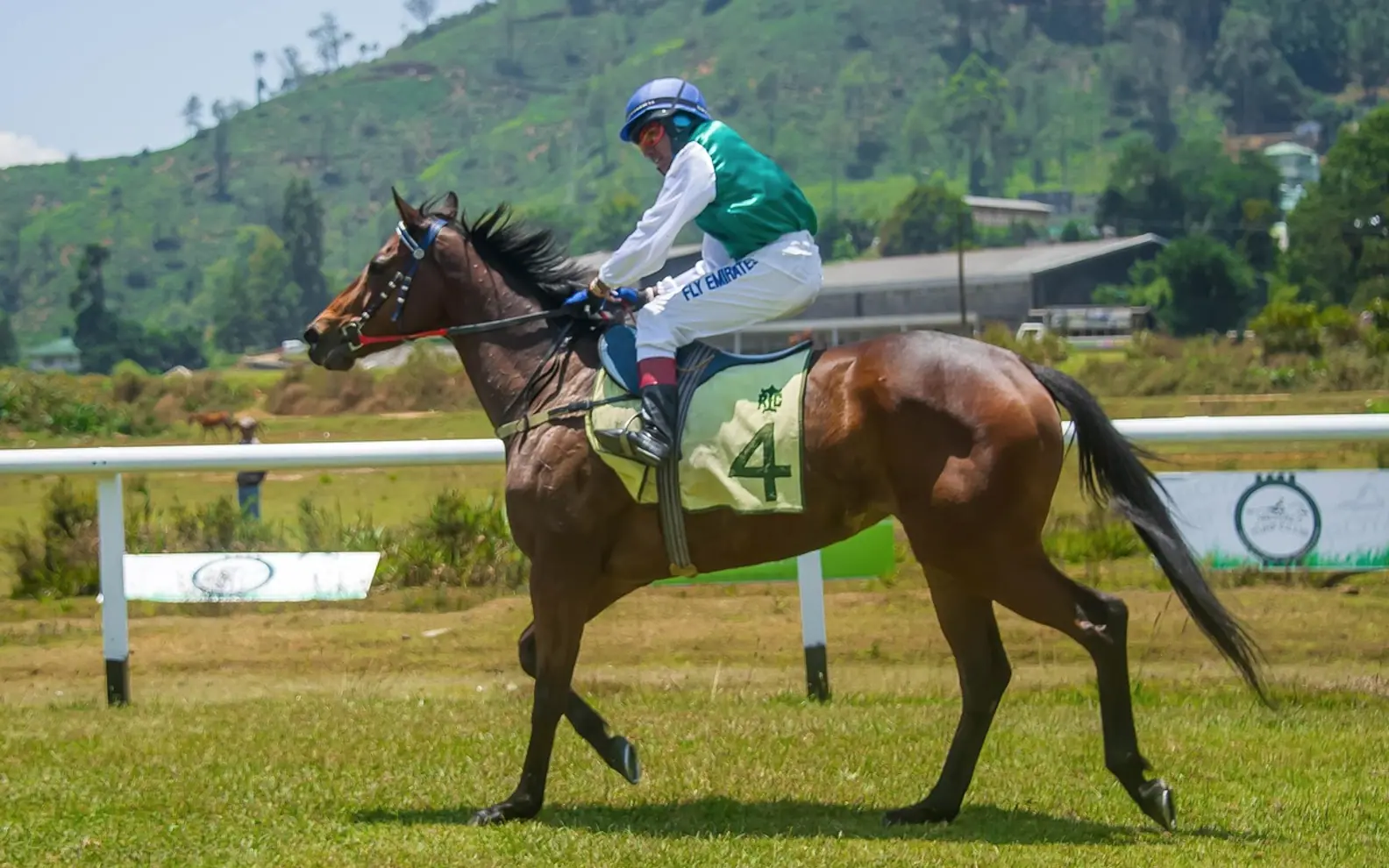
Horse racing odds show how much a winning bet pays compared with the stake. A horse at 3-1 returns three units of profit for every one unit risked, plus the stake back. In North American racing those odds come from a shared betting pool, so they keep changing until the gates open and are only fixed once betting closes.
That last point surprises most newcomers. The number on the screen when you bet is not always the number you get paid at. Below: how to convert a price into a payout and a rough chance, what the morning line is for, and the misreadings that cost newcomers money. Only adults (18+) should be betting on any of it.
Who sets the number
At North American tracks the odds are made by the bettors themselves. All the money on each horse sits in a shared pool, and the price is simply what that pool says after the track's cut. Bookmakers in Britain, Ireland and Australia work differently: their traders set a price, and the one you take is the one you get. Our explainer on pari-mutuel betting covers the pool maths step by step; this page sticks to reading and using the numbers.
Turning a tote price into dollars
American tote boards write odds as two numbers: profit on the left, stake on the right. 5-2 pays five units of profit for every two you put down. Track payouts are normally quoted on a $2 ticket, so a handful of conversions are worth memorising.
| Board odds | Profit per $1 | $2 win ticket returns |
|---|---|---|
| 1-5 | $0.20 | $2.40 |
| 1-1 (even money) | $1.00 | $4.00 |
| 9-5 | $1.80 | $5.60 |
| 5-2 | $2.50 | $7.00 |
| 3-1 | $3.00 | $8.00 |
| 10-1 | $10.00 | $22.00 |
The return includes your $2. Real payouts can come in a few cents lower than the table, because the board rounds the odds and the final figure is rounded down again before it is paid.
The morning line is a forecast, not a price
Every race in the program carries a morning line. A track official sets it before any money is bet, as a guess at how the public will end up pricing the field. Nobody is paid at morning line odds.
Treat it as a starting sketch. If a horse listed at 8-1 is trading at 3-1 near post time, bettors have weighed it very differently from the forecast. If it drifts to 20-1, the crowd is cooler on it. Neither move tells you the result. For more on where the morning line sits on the page, see how to read a horse racing program.
Why the odds keep moving
In a pool, every new bet on a horse lowers its price and slightly raises the price of the others. A lot of money arrives in the last few minutes, and some of it is still being added to the pool after the start as late-reporting outlets feed in their totals. That is why the final odds can look different from what you saw when you placed the bet.
With a bookmaker, the odds you take are locked in. If a runner is withdrawn late, some racing jurisdictions apply a deduction to winning bets on the rest of the field, so check the house rules before assuming the full price stands.
From odds to a rough chance
You can turn odds into the chance they imply with one sum: divide the stake side by the total of both sides.
- 3-1 → 1 ÷ (3 + 1) = 25%
- 5-2 → 2 ÷ (5 + 2) ≈ 28.6%
- 1-1 → 1 ÷ 2 = 50%
- 1-5 → 5 ÷ 6 ≈ 83%
Add those figures up for every horse in a race and the total comes out above 100%. The gap is the operator's cut. It is the price of the bet, paid whether you win or lose over time.
Favourites, odds-on and longshots
- Favourite – the horse with the lowest odds. US racing slang calls it the chalk.
- Odds-on – any price shorter than even money, such as 1-2 or 4-5. You risk more than you can win.
- Longshot – a horse at big odds, often 10-1 or longer. Big payout, small implied chance.
A short price is not a safe price. A horse at 1-2 is still expected to lose about a third of the time on its own terms.
Common misreadings
- Taking the morning line as the payout. It never is.
- Assuming an early price will hold in a pool. It may not.
- Reading short odds as inside knowledge. Heavy betting often follows public tips, form or a popular jockey.
- Forgetting the cut. The odds already include it, so a "fair-looking" price is a little below fair.
Quick questions
What does 5-2 mean in horse racing?
Five units of profit for every two staked. A $2 win bet at 5-2 returns $7.00 in total.
Why did my payout not match the board?
The board shows rounded odds, late money can arrive after you bet, and the final payout is rounded down before it is paid.
Are fixed odds better than pool odds?
Neither is better in every case. Fixed odds give certainty about the price; pools sometimes pay more on horses the crowd ignores. Comparing both where you can is the same habit that helps in soccer league betting.
Racing bets are a paid pastime for adults, not a way to earn a living, and the legal position on wagering differs from one state or country to the next, so look up what applies to you before you open an account.
Something to add?
A short note is enough.
Pre-flight
Before any deposit, tick these off
Thirty seconds. Every time.
- I know the exact amount I can afford to lose today
- A deposit limit is switched on for this account
- I have checked the licence with the named regulator
- I have read the bonus terms, or I am playing without one
- My phone alarm is set for the time I stop
Returns include the stake and assume the odds hold. In a pool they can still move until betting closes, the board rounds its figures and the final payout is rounded down, so real tickets can pay a few cents less. The implied chance already has the track's cut baked in; it is not a forecast. Adults only, where wagering is legal, and only with money you can spare.