Case no.KG-025
What Is Pari-Mutuel Betting?
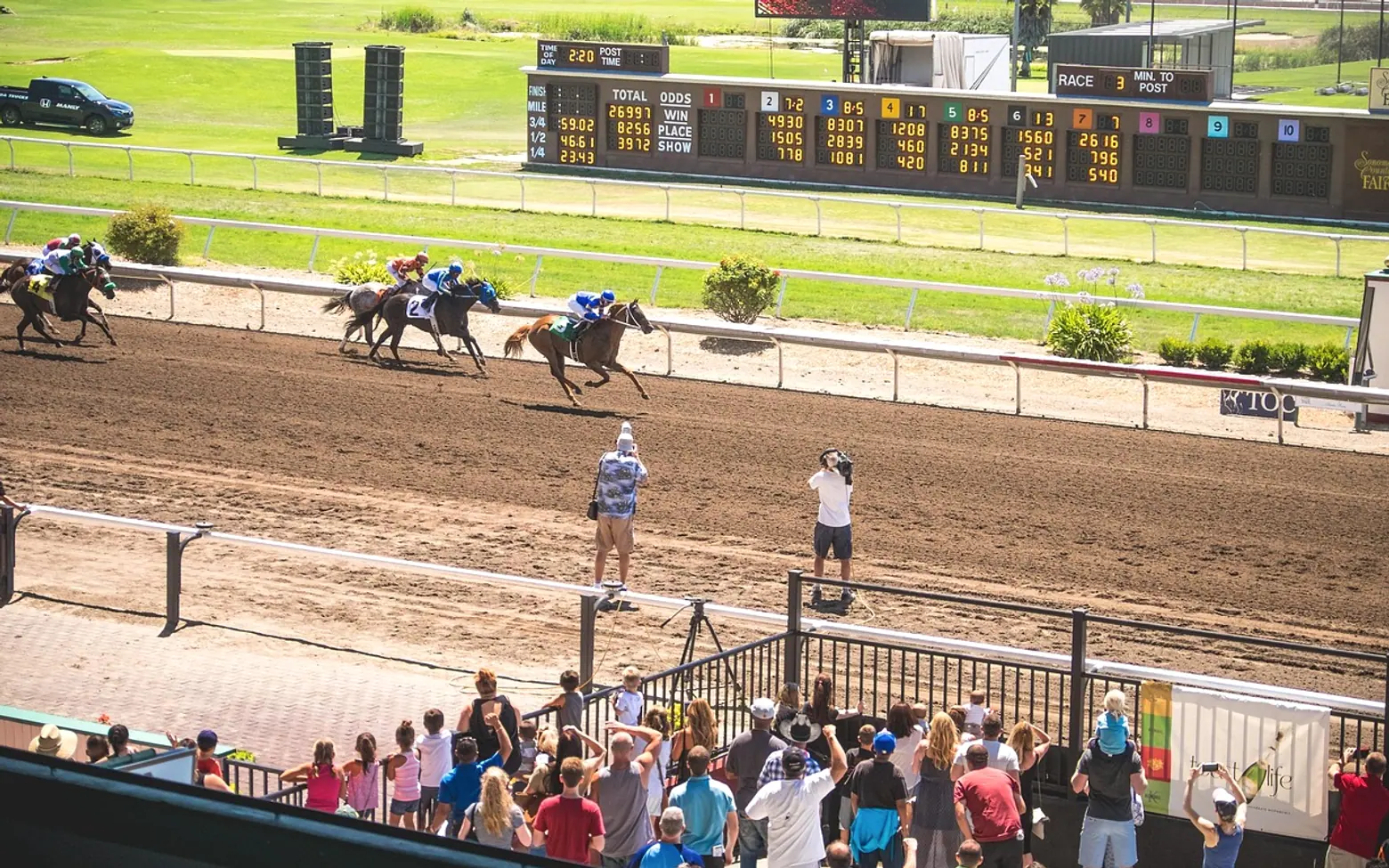
Pari-mutuel betting is a system where every bet of the same type goes into one shared pool. The operator takes a fixed percentage off the top, called the takeout, and the rest is divided among the winning tickets. You are betting against everyone else in the pool rather than against a bookmaker, which is why the final odds are only known when betting closes.
It is the standard way horse racing is bet at North American tracks, and it is used for racing and some other sports in many other countries, often under the name tote. This explainer is for adults aged 18 and over.
Where the name comes from
"Pari mutuel" is French for a mutual bet, a wager among the bettors themselves. The system is credited to Joseph Oller, a Parisian businessman, in the 1860s. Mechanical totalisator machines later made it possible to count large pools quickly, and the electronic tote boards at modern tracks are their descendants.
How a payout is calculated
The maths is the same for every pool. Here it is with round numbers chosen only to make the steps easy to follow; real pools and takeout rates vary by place and bet type.
- Total the pool. Say $10,000 has been bet to win on a race.
- Take out the cut. With an example takeout of 15%, $1,500 is removed. $8,500 is left to pay winners.
- Find the money on the winner. Say $2,000 of the pool was bet on the horse that won.
- Divide. $8,500 ÷ $2,000 = $4.25 returned for every $1 bet on the winner.
- Convert to a ticket. A $2 ticket would return $8.50, which is odds of roughly 13-4.
- Round down. Payouts are trimmed to a set increment before being paid. The trimmed cents, called breakage, also stay with the operator.
Notice what is missing: nobody decided the price. It came entirely from where the money went. For reading those prices on a tote board, see how horse racing odds work.
Place, show and exotic pools
Each bet type has its own pool. Place and show pools are shared between the backers of two or three horses, which is why those payouts depend on which other horses finished in the money. When a heavily backed favourite lands in the first three, a big share of the show pool belongs to its backers, so a show ticket on that horse can return barely more than its cost.
Exotic pools work the same way on a bigger scale. When a longshot finishes in the first three, few tickets hold the right combination and an exotic payout can be large. When favourites fill the order, it can be small. A horse nobody rated, the kind racing calls a dark horse, is what turns a modest exotic pool into a big one.
Pari-mutuel versus fixed odds
| Pari-mutuel | Fixed odds | |
|---|---|---|
| Your opponent | Other bettors in the pool | The bookmaker |
| Price known when you bet? | No, only an estimate | Yes |
| Operator's income | Takeout plus breakage | Margin built into each price |
| Effect of a big bet | Lowers the price for everyone on that horse | Bookmaker may adjust or limit stakes |
| Typical use | US racing, tote operators | Sportsbooks, many racing bookmakers |
Fixed odds are also how most sportsbooks price football and in-play markets, where prices shift with each event in the match, as covered in our piece on live scores and in-play betting.
Why the odds move after you bet
- Late money. A large share of betting happens in the final minutes.
- Commingled pools. Bets from other tracks and outlets are added to the host pool, and some totals arrive just as the race begins.
- Big single bets. In a small pool, one large wager can shorten a price sharply.
The practical result: the odds you see when betting are an estimate. Many bettors wait until close to the start for that reason, though even then the final figure can shift.
Strengths and weaknesses
- Strength: no bookmaker can refuse your bet for winning too often; the pool does not care who you are.
- Strength: horses the crowd overlooks can pay more than a bookmaker might offer.
- Weakness: you cannot lock in a price.
- Weakness: the takeout is taken from every pool, so the group of bettors as a whole always gets back less than it put in.
Quick questions
Is tote betting the same as pari-mutuel?
Yes, in practice. Tote is short for totalisator, the machine that counts the pool, and the name is common in Britain, Ireland and Australia.
Can the house lose in pari-mutuel betting?
Rarely. Its income comes from the takeout, not from the result. In some places minimum-payout rules can leave a pool short when nearly everyone backs the same winner, but that is an exception.
Why is it called "takeout"?
Because it is literally taken out of the pool before the winners are paid.
Pool betting is a way to make a race more interesting, not a way to make money, and it is limited to adults. Rules on who may run a pool, and who may bet into one, differ by state and country, so check yours first.
Something to add?
A short note is enough.
Pre-flight
Before any deposit, tick these off
Thirty seconds. Every time.
- I know the exact amount I can afford to lose today
- A deposit limit is switched on for this account
- I have checked the licence with the named regulator
- I have read the bonus terms, or I am playing without one
- My phone alarm is set for the time I stop