Case no.KG-023
What Is a Dark Horse? Meaning and Origin
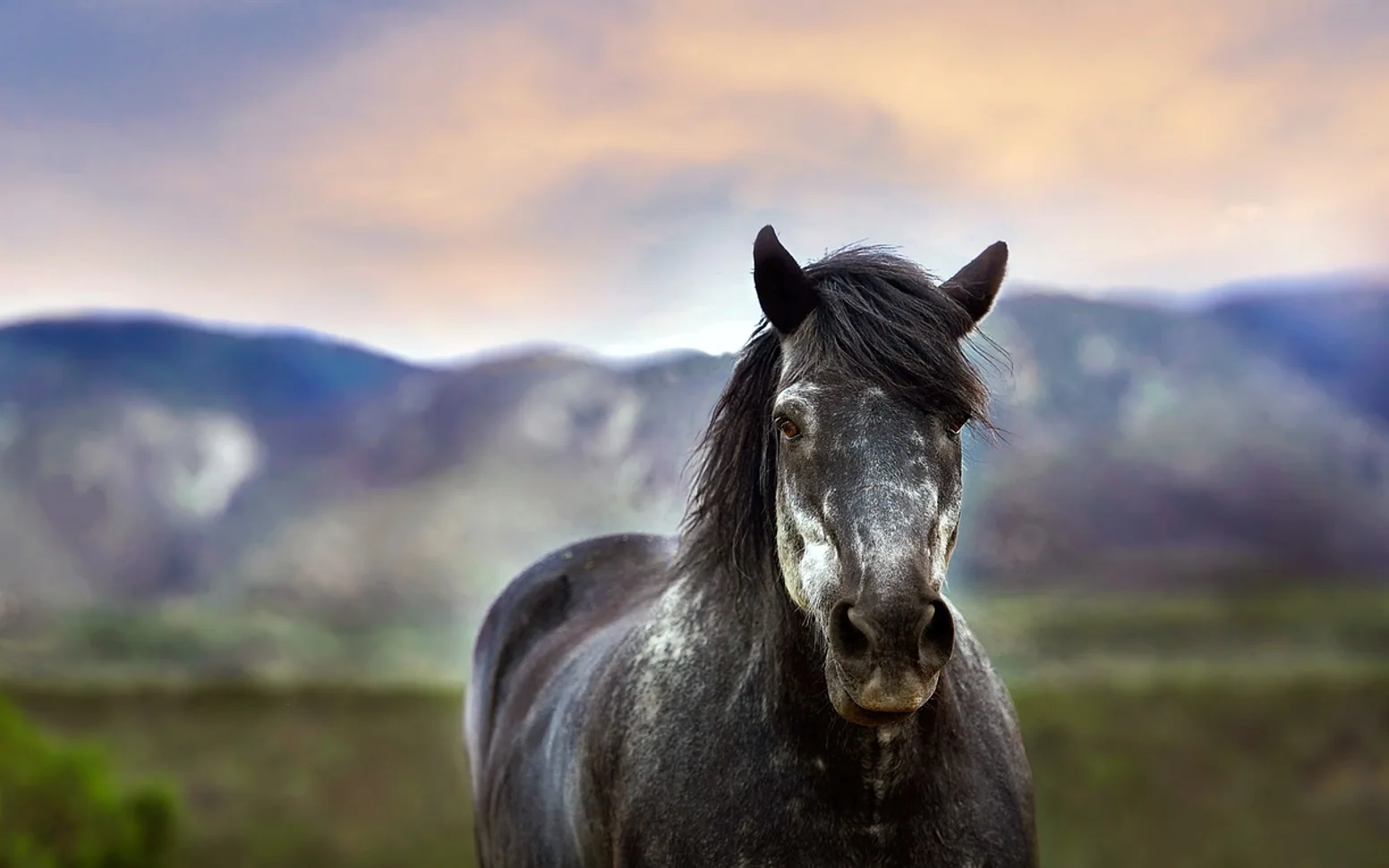
A dark horse is a competitor, team or candidate that few people knew much about and who turns out to have a real chance, or wins outright. The key idea is hidden information, not just low expectations. The phrase started in nineteenth-century horse racing, where a "dark" horse was one whose form had been kept out of public view.
Today you will hear it about cup runs, election races, job applicants and reality shows. In betting, though, it still carries its original racing sense, and that sense is worth separating from words like underdog and longshot. The article is intended for adults aged 18 and over.
Where the phrase comes from
In early racing, owners sometimes kept a promising horse away from public trials so that bookmakers and rival bettors could not judge it. Nobody could see what it could do, so it was "dark". If it then won, the people who knew could collect at a generous price.
The phrase is often traced in print to Benjamin Disraeli's 1831 novel The Young Duke, which includes a race won by a horse nobody had considered. Within a few decades it had moved into politics. James K. Polk, who became the US Democratic nominee in 1844 after not being seen as a serious contender at the start of the convention, is often described as the first "dark horse" candidate.
Dark horse, underdog, longshot, outsider
| Term | What it describes | Main idea |
|---|---|---|
| Dark horse | A contender whose ability is not well known | Missing information |
| Underdog | The side expected to lose | Expectation |
| Longshot | A selection at big odds | Price |
| Outsider | A runner given little chance in the market | Market rank |
The overlap is large, but the distinction matters. A well-known horse that is simply slow is a longshot, not a dark horse. A lightly raced horse with an unknown ceiling can be a dark horse at almost any price.
What makes a horse "dark" today
Modern racing publishes far more data than the nineteenth century did, so true secrecy is rare. Horses still become hard to read when:
- They are first-time starters, with only workout times to go on.
- They have raced abroad, where local bettors know less about the form.
- They return from a long break, so recent form does not exist.
- They switch surface or distance for the first time.
- Equipment changes, such as first-time blinkers, make old form a weaker guide.
None of this is secret in the old sense. The information is public; there is just not much of it, and thin information is what makes a price hard to judge, for the crowd and for you alike. All of these signs appear in the past-performance lines. Our breakdown of handicapping in horse racing shows how bettors try to weigh missing information against the price.
Are dark horses good bets?
Not by default. A dark horse is a horse with uncertainty around it, and uncertainty cuts both ways. Some turn out to be better than anyone thought; many simply are what their lack of form suggests.
Price matters more than the label. Bettors and analysts have long described a tendency, often called the favourite-longshot bias, for horses at very big odds to be backed a little more generously than their real chances justify. Whatever the size of that effect in a given market, the lesson is the same: a big number on the board is not proof of hidden value. If you want to turn prices into chances, start with how horse racing odds work.
Dark horses beyond racing
- Tournaments. A team with a new coach or a young squad can be hard to rate early in a competition.
- League seasons. Promoted sides or rebuilt rosters carry similar uncertainty, a theme that runs through our notes on soccer league betting.
- Individual sports. A qualifier or wildcard entry in a tennis or golf event fits the description, with little recent form at that level to go on.
- Politics and awards. The phrase is used for any late or unexpected contender.
In every case, the label describes how little was known before the event. It is often applied with hindsight, after the surprise has already happened.
Quick questions
Is calling someone a dark horse an insult?
No. It usually signals hidden talent or quiet ability.
What is the opposite of a dark horse?
A clear favourite, or in racing slang, the chalk.
Is every longshot a dark horse?
No. A longshot is defined by price. A dark horse is defined by how little is known about it.
Backing an unknown runner can add a little drama to a race day. Keep the stake to money you are ready to lose on entertainment, keep it adults-only, and look up whether sports wagers are allowed where you live before betting at all.
Something to add?
A short note is enough.
Pre-flight
Before any deposit, tick these off
Thirty seconds. Every time.
- I know the exact amount I can afford to lose today
- A deposit limit is switched on for this account
- I have checked the licence with the named regulator
- I have read the bonus terms, or I am playing without one
- My phone alarm is set for the time I stop