Case no.KG-022
What Does a Jockey Do?
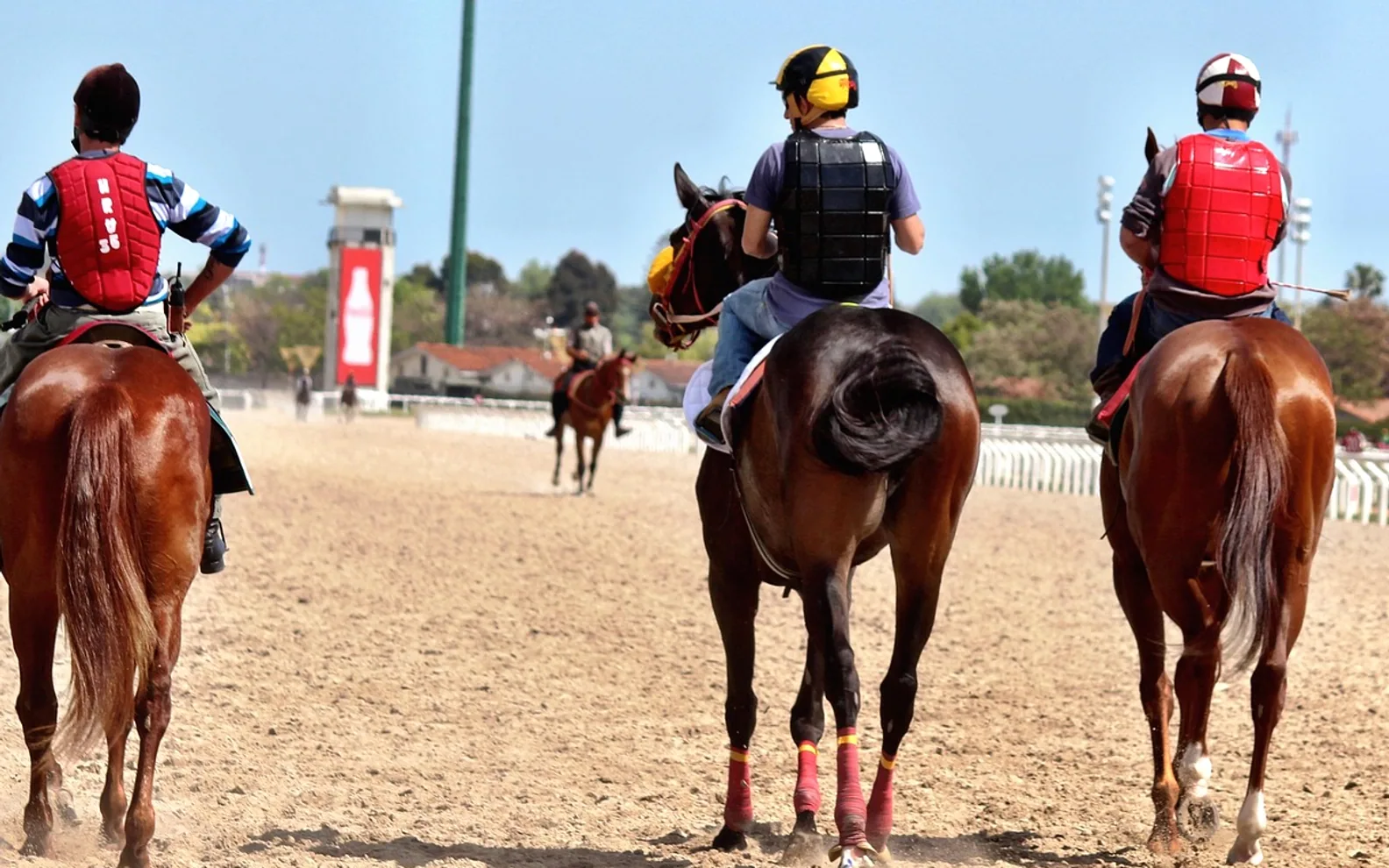
A jockey rides racehorses in competition. On race day the job is to get the best possible run out of the horse within the rules: leave the gate cleanly, find a good position, judge the pace and choose the moment to ask for a final effort. Away from the races, many jockeys also ride horses in morning training and give trainers feedback on how each one is going.
It is a sport where the athlete underneath does most of the running, so the rider's influence is easy to overstate and easy to underrate. This article explains the work and what it means for anyone reading a race. It is meant for adults aged 18 and over.
Race day, step by step
- Weighing out. Before each race the jockey steps on the scales with the saddle and equipment. The total must match the weight the horse has been assigned.
- The paddock. Riders meet the trainer, and often the owner, to go over instructions: where to sit early, how the horse likes to be ridden, what to avoid.
- The post parade and warm-up. A chance to feel how the horse is moving and settle it before loading.
- The start. Breaking well from the gate can decide a sprint before it has properly begun.
- The race. Saving ground on the turns, staying out of trouble, keeping the horse balanced and timing the run.
- Weighing in. After the race, the leading riders weigh again to confirm they carried the right weight. Results are not official until this and any review by the stewards are complete.
Weight: the constant part of the job
Every horse in a race is assigned a weight, set by the race conditions or by a handicapper. That figure covers the rider plus the saddle and gear. A lighter jockey makes up the gap with lead weights in a saddle pad; a heavier one cannot ride the horse at all if the numbers do not work.
That is why jockeys are small and why many manage their weight closely for their whole career. Keeping to a riding weight can be hard on the body, and racing authorities and medical staff in many countries now pay closer attention to how riders do it. Anyone thinking about the profession should talk to a qualified health professional about safe weight management.
Apprentice allowances
Newer riders, called apprentices, are often allowed to carry a few pounds less than the assigned weight while they build experience. In US programs this is marked with an asterisk, which is why apprentices are nicknamed "bugs". The allowance shrinks and then disappears as they ride more winners.
Beyond race day
- Morning work. Exercising horses early in the day, including timed workouts that appear later in the program.
- Agents. Most professional jockeys use an agent to book rides with trainers.
- Licensing. Riders need a licence from the racing authority where they compete, along with medical clearance.
- Travel. Top riders move between tracks and, for big races, between countries.
Silks and safety gear
The coloured jacket and cap, known as silks, belong to the owner, not the rider. They let spectators and race callers pick out each horse at a distance. Under them, jockeys wear a helmet and a protective vest. On dirt tracks, riders often stack several pairs of goggles and pull one down when kickback from the horses ahead covers the lens.
What bettors read into jockeys
| Program detail | What it suggests | Caution |
|---|---|---|
| Jockey's win rate | How often the rider wins at this meeting | Top riders get the best horses, so the rate partly reflects the horses |
| Jockey change | A trainer has booked a different rider | Can mean many things, from scheduling to a change in plan |
| Apprentice allowance | The horse carries less weight | Less experience in tight finishes |
| Trainer–jockey pairing | A combination that has worked before | Small samples mislead easily |
One more caution: well-known riders attract money, so their mounts are often shorter in the betting than form alone would suggest. Our guide to handicapping explains how to weigh the rider against the horse, and the racing program guide shows where these details sit on the page.
Quick questions
Do jockeys own the horses they ride?
Usually not. Owners pay for the horse, trainers prepare it and the jockey is booked for the ride.
Can jockeys bet on races?
Racing rules in many places strictly limit or ban betting by jockeys, especially on races they ride in.
How are jockeys paid?
Typically a fee for each ride plus a share of the prize money when they finish in the leading places. The exact terms depend on the country and the race.
Following riders can make a race card more interesting, but any bet on the outcome is a cost you choose to pay for adult entertainment, so cap it beforehand, as our deposit limit guide suggests, and check how racing wagers are treated where you live.
Something to add?
A short note is enough.
Pre-flight
Before any deposit, tick these off
Thirty seconds. Every time.
- I know the exact amount I can afford to lose today
- A deposit limit is switched on for this account
- I have checked the licence with the named regulator
- I have read the bonus terms, or I am playing without one
- My phone alarm is set for the time I stop